⚡
Quick TrainerHuman Body Systems and Their Functions
Learn the major organ systems of the human body and the key functions and structures behind them.
Science36 items3 levelsDifficulty 2/5
Free · no signup · works on any device
Levels
Start easy — harder levels unlock as you improve, or jump ahead anytime.
1
Systems & Functions
12 items
2
Key Organs
10 items
3
Detailed Physiology
14 items
All 36 cards
Which system transports blood, oxygen, and nutrients throughout the body?
Circulatory system
Which system is responsible for breathing and gas exchange?
Respiratory system
Which system breaks down food and absorbs nutrients?
Digestive system
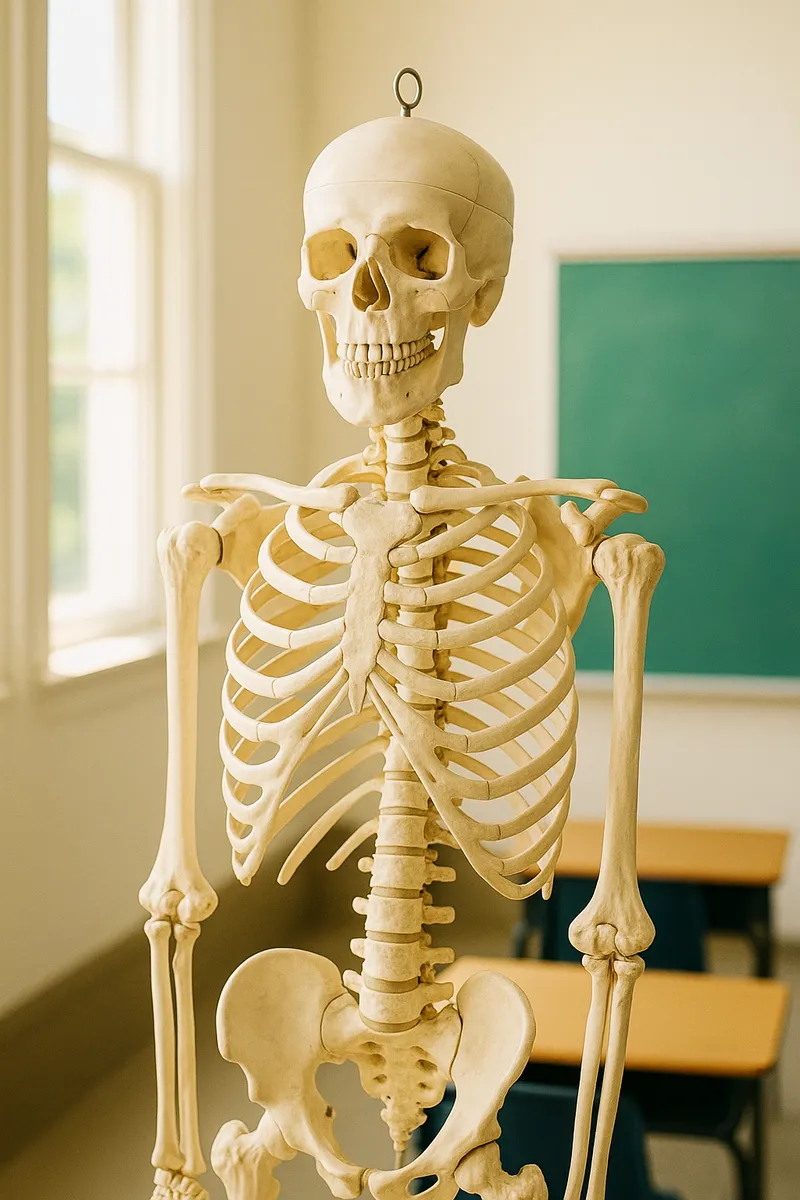
Which system supports the body and gives it shape?
Skeletal system
Which system enables movement by contracting and relaxing?
Muscular system
Which system controls the body using electrical signals and the brain?
Nervous system
Which system uses hormones to regulate body processes?
Endocrine system
Which system defends the body against infection and disease?
Immune system
Which system removes waste and filters blood to produce urine?
Urinary system
Which system produces offspring?
Reproductive system
Which system includes the skin, hair, and nails as a protective barrier?
Integumentary system
Which system returns fluid to the blood and supports immunity?
Lymphatic system
Which organ pumps blood throughout the body?
Heart
Which organs allow gas exchange during breathing?
Lungs
Which organ controls thought, memory, and body coordination?
Brain
Which organ filters blood to produce urine?
Kidney
Which organ produces bile and detoxifies the blood?
Liver
Which organ stores and breaks down food using acid?
Stomach
Which organ absorbs most nutrients from digested food?
Small intestine
Which gland regulates metabolism using hormones in the neck?
Thyroid
Which organ produces insulin and digestive enzymes?
Pancreas
Which is the largest organ of the human body?
Skin
What gas do the lungs take in during inhalation?
Oxygen
What gas is released from the body during exhalation?
Carbon dioxide
What are the smallest blood vessels where gas exchange occurs?
Capillaries
What blood cells carry oxygen using hemoglobin?
Red blood cells
What white blood cells help fight infection?
Leukocytes
What is the basic functional unit of the kidney?
Nephron
What is the basic signaling cell of the nervous system?
Neuron
What gland is known as the 'master gland' of the endocrine system?
Pituitary gland
What muscle separates the chest from the abdomen and aids breathing?
Diaphragm
What is the largest part of the brain, controlling higher thinking?
Cerebrum
What fluid carries hormones and nutrients and is pumped by the heart?
Blood
What protein in red blood cells binds oxygen?
Hemoglobin
What organ stores bile produced by the liver?
Gallbladder
What part of the digestive tract absorbs water and forms feces?
Large intestine
Keep going
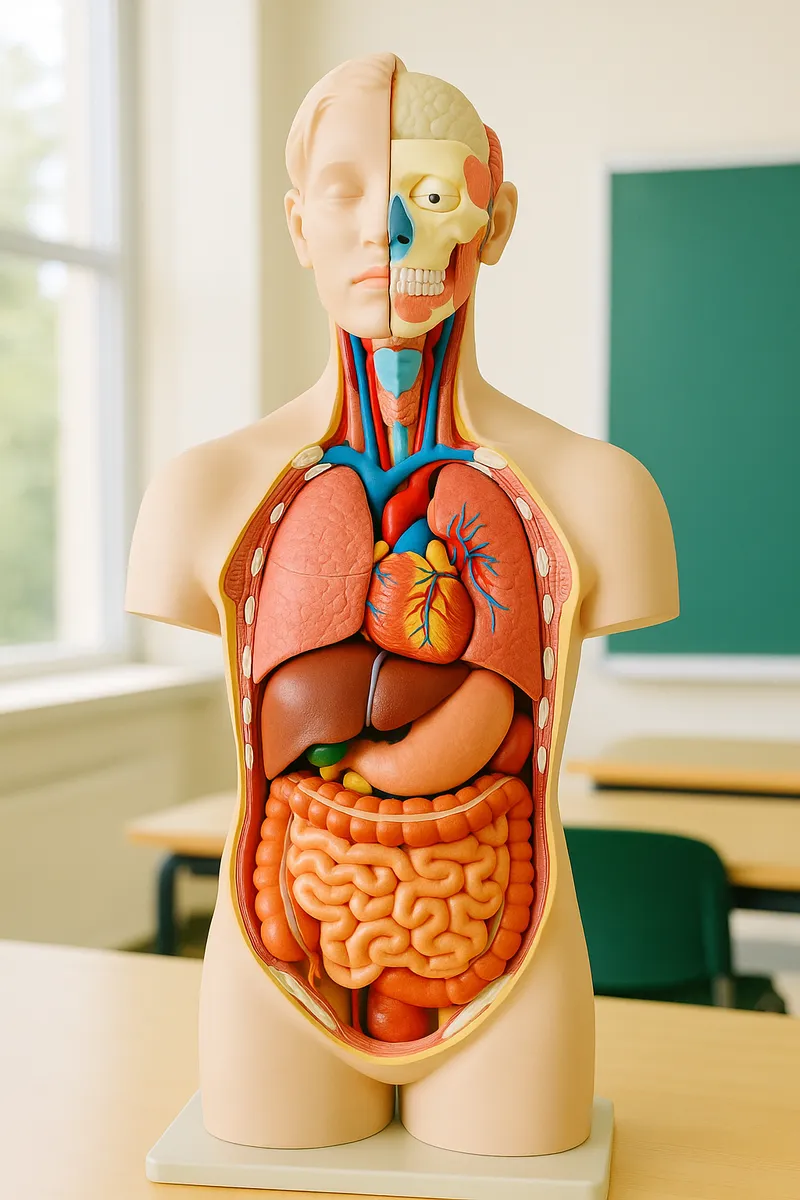
Human Internal Organs and Their Functions
Learn the major organs of the human body and what each one primarily does.
Science28 items
Major Human Muscles and Their Locations
Learn to identify the body's major muscles by their location and primary action.
Science32 items